
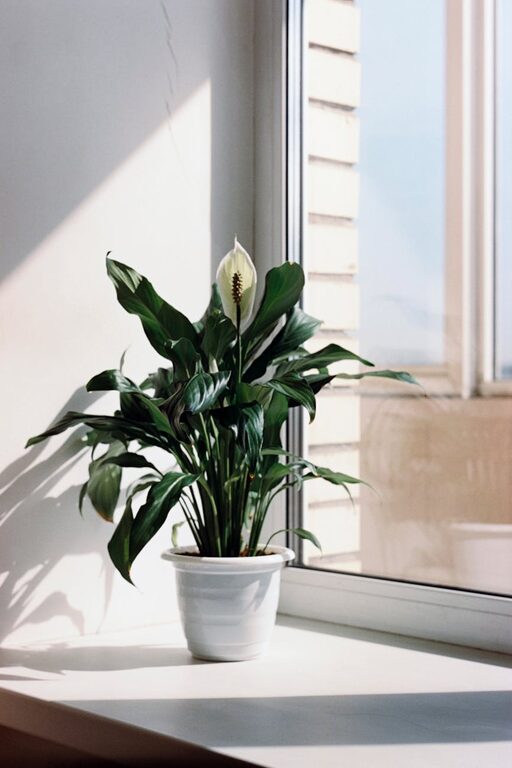
Bringing plants into your home is one of the easiest and most rewarding ways to refresh your living space. Not only do plants add natural beauty and color, but they also improve air quality and create a calming environment. Whether you’re a seasoned plant enthusiast or just starting out, this guide will help you transform your home with greenery.
Why Choose Plants for Your Home?
Plants brighten up any room and make it feel more welcoming. Beyond aesthetics, many indoor plants help purify the air by removing toxins and releasing oxygen. The presence of plants can also reduce stress and boost your mood. Plus, caring for plants can be a relaxing and satisfying hobby.
Choosing the Right Plants for Your Space
Before buying plants, consider the following:
– Light Levels: Different plants need different amounts of sunlight. Identify sunny spots, shaded corners, or medium light areas.
– Maintenance: Some plants require frequent watering and care, while others thrive on neglect.
– Space: Think about where you want to place your plants. Hanging plants, desktop plants, and floor plants can all serve different purposes.
Popular Indoor Plants for Beginners
- **Snake Plant (Sansevieria)**
Tolerates low light and irregular watering; great for beginners.
- **Pothos (Epipremnum aureum)**
Easy to grow, with trailing vines perfect for shelves or hanging pots.
- **Spider Plant (Chlorophytum comosum)**
Adaptable and fast-growing with air-purifying qualities.
- **Peace Lily (Spathiphyllum)**
Prefers medium to low light and produces elegant white flowers.
How to Display Plants Creatively
Use Plant Stands and Shelves
Elevate your plants to add dimension to your room. Tiered plant stands or wall-mounted shelves can turn greenery into focal points.
Mix Different Sizes and Types
Combine tall plants, medium-sized pots, and small succulents for variety and interest. Grouping plants together also creates a mini indoor garden vibe.
Utilize Hanging Planters
Save floor space by using hanging planters, especially for trailing plants like pothos or string-of-pearls.
Taking Care of Your Indoor Plants
Watering Tips
– Check soil moisture before watering.
– Avoid overwatering to prevent root rot.
– Use pots with drainage holes.
Lighting and Temperature
– Match plants to the room’s light conditions.
– Keep plants away from drafts or heating vents.
Feeding and Cleaning
– Use a balanced fertilizer during the growing season.
– Wipe leaves periodically to remove dust and help them breathe.
Incorporating Plants into Different Rooms
Living Room
Place larger floor plants in corners or near windows. Small plants on coffee tables or shelves add charm.
Kitchen
Herbs like basil, thyme, or mint make useful and fragrant additions.
Bedroom
Plants such as peace lilies and snake plants enhance air quality and add softness.
Bathroom
Choose humidity-loving plants like ferns or orchids to thrive in moist environments.
Benefits of Refreshing Your Home with Plants
– Improved air quality and humidity.
– Enhanced aesthetics and a natural vibe.
– Stress reduction and increased productivity.
– Opportunity to engage in a fulfilling indoor hobby.
Final Thoughts
Refreshing your home with plants is a simple, enjoyable way to bring nature indoors. With a bit of planning and care, your green friends will thrive and make your space feel fresh and inviting all year round. Start with a few easy-to-care-for plants, experiment with creative displays, and watch your home transform.
Happy planting!