
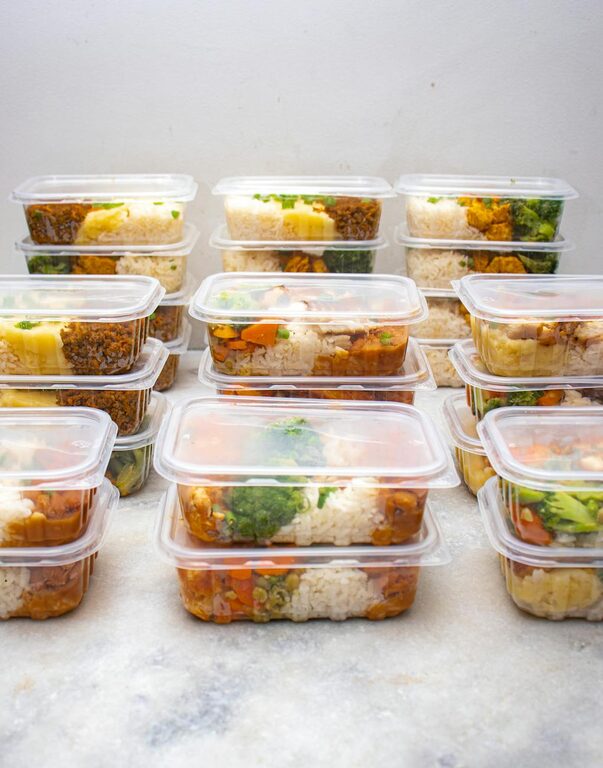
Planning balanced meals is a great way to support your health and well-being. But sometimes, the idea of creating nutritious menus for every day can feel overwhelming. The good news? You can make meal planning simple and stress-free with a few straightforward steps. In this post, we’ll explore practical tips to help you plan balanced meals with ease, so you can enjoy tasty, wholesome food without the hassle.
What Does a Balanced Meal Mean?
A balanced meal includes a good mix of different nutrients your body needs:
– Proteins: For muscle repair and energy. Examples include chicken, beans, tofu, fish, and eggs.
– Carbohydrates: Mainly from whole grains, fruits, and vegetables for sustained energy.
– Healthy Fats: Such as avocado, nuts, seeds, and olive oil to support brain function.
– Fiber: Found in fruits, vegetables, and whole grains, it helps digestion.
– Vitamins and Minerals: These come from a variety of colorful fruits and vegetables.
When your plate has a bit of everything, you’re more likely to feel satisfied and energized.
Step 1: Start With Simple Meal Templates
Creating a few basic meal templates can reduce decision fatigue. Here are examples for each meal type:
– Breakfast: Whole grain toast + scrambled eggs + fruit
– Lunch: Mixed greens salad + grilled chicken + quinoa + vinaigrette
– Dinner: Stir-fried vegetables + brown rice + tofu or fish
– Snacks: Yogurt + berries, nuts, or sliced veggies with hummus
Once you have templates, you can swap ingredients based on what you have or your preferences.
Step 2: Plan Weekly, Not Daily
Instead of deciding what to eat every morning, take some time weekly to map out your meals. This helps you shop smarter and prevents last-minute unhealthy choices. Use a simple planner or app to jot down your menu ideas.
Tips for Weekly Planning:
– Choose 2-3 proteins for the week (e.g., chicken, lentils, fish)
– Pick seasonal vegetables and fruits for variety and freshness
– Incorporate whole grains like rice, oats, or whole wheat pasta
– Plan for leftovers to save cooking time later
Step 3: Batch Cook and Prep Ingredients
Preparing ingredients or meals ahead saves time during busy days.
– Cook grains and proteins in bulk and store them in portioned containers.
– Wash and chop vegetables in advance.
– Use slow cookers or instant pots for effortless meal prep.
– Freeze meals or components for longer storage.
Even 1-2 hours on the weekend can make weeknight dinners faster and less stressful.
Step 4: Keep It Flexible and Realistic
Meal planning should make life easier, not add pressure.
– It’s okay to substitute ingredients based on what’s available.
– Allow room for dining out or ordering takeout occasionally.
– Don’t aim for perfection; focus on balance and enjoyment.
– Mix homemade meals with healthy convenience options like pre-washed salads or canned beans.
Step 5: Use Color to Guide Your Plate
A simple visual trick to ensure balance is to have a variety of colors on your plate. Different colored fruits and veggies give you different nutrients.
– Red: tomatoes, red peppers, strawberries
– Green: spinach, broccoli, kiwi
– Orange/Yellow: carrots, sweet potatoes, mango
– Purple/Blue: eggplant, blueberries
Try to include at least three colors each meal to boost nutritional value.
Step 6: Listen to Your Hunger and Preferences
Balanced eating isn’t just about nutrients—it’s also about satisfaction.
– Pay attention to hunger and fullness cues.
– Choose meals you actually enjoy.
– Incorporate your favorite flavors and cultural foods.
– Rotate recipes to keep meals interesting.
Eating should be nourishing and pleasurable.
Helpful Tools and Resources
– Meal Planning Apps: Apps like Mealime, Paprika, or Plan to Eat help organize recipes and shopping lists.
– Simple Cookbooks: Look for beginner-friendly cookbooks focusing on balanced meals.
– Online Recipes: Sites like BBC Good Food or Allrecipes offer filtering by nutrition or prep time.
Final Thoughts
Planning balanced meals doesn’t have to be complicated or stressful. By creating simple templates, planning weekly, prepping in advance, and keeping flexibility in mind, you can enjoy nutritious food effortlessly. Remember that balance is about variety and consistency over time, not perfection at every meal. Start small, be kind to yourself, and savor the process of nourishing your body.
Bon appétit!