
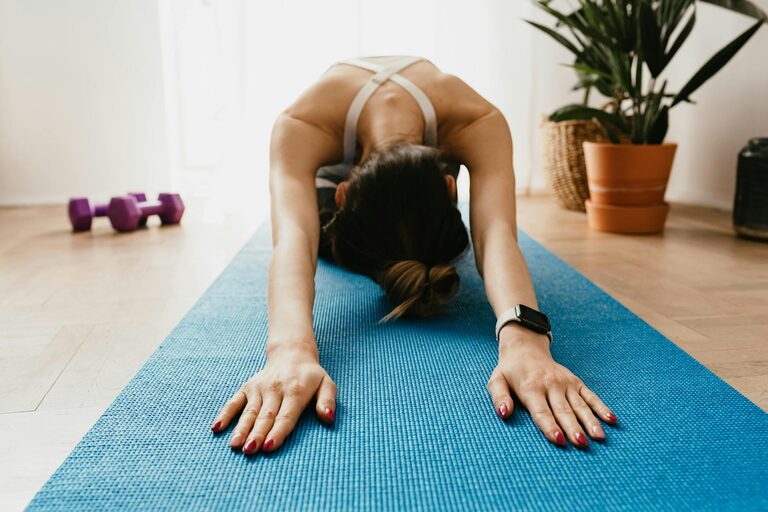
Stretching is a simple and effective way to enhance your physical health, increase flexibility, and reduce muscle tension—all without leaving the comfort of your home. Whether you’re new to exercise or looking to add more movement to your daily routine, stretching can be an excellent way to take care of your body.
In this beginner’s guide, we’ll cover the basics of stretching at home, including why it’s important, how to get started, and examples of easy stretches you can do anywhere.
Why Stretching Matters
Stretching offers numerous benefits, especially if you spend much of your day sitting or engaging in repetitive motions. Some of the top reasons to include stretching in your routine are:
– Improved flexibility: Regular stretching lengthens muscles, increasing your range of motion.
– Reduced muscle tension: Stretching helps relieve tightness after periods of inactivity or physical activity.
– Better posture: Stretching muscles like the chest and shoulders can help correct posture issues caused by slouching.
– Stress relief: Gentle stretching promotes relaxation and can lower stress levels.
– Injury prevention: Flexible muscles are less prone to strains and injuries during daily activities.
Understanding these benefits can motivate you to make stretching a consistent part of your lifestyle.
Getting Started: Tips for Stretching Safely at Home
Before diving into your stretching routine, it’s important to follow some guidelines to stay safe and get the most out of your efforts.
Warm Up First
Stretching cold muscles can sometimes lead to injury. Aim to do a light warm-up to increase blood flow, such as marching in place or a few gentle jumping jacks for 3-5 minutes.
Stretch Slowly and Gently
Slow and controlled movements prevent strain. Avoid bouncing or forcing a stretch beyond your comfort level.
Hold, Don’t Bounce
Hold each stretch steadily for 15-30 seconds to allow muscles to lengthen safely. Bouncing can cause small muscle tears.
Breathe Deeply
Maintain steady, deep breaths during stretches to relax your muscles and improve oxygen flow.
Listen to Your Body
A stretch should feel pleasant and mildly challenging, but never painful. If you feel sharp pain, ease off immediately.
Key Stretches for Beginners
Here are some simple stretches suitable for beginners that target the major muscle groups:
1. Neck Stretch
– Sit or stand with your back straight.
– Gently tilt your head toward one shoulder until you feel a stretch on the opposite side.
– Hold for 20 seconds, then switch sides.
2. Shoulder Rolls
– Stand with your arms relaxed by your sides.
– Slowly roll your shoulders backward in a circular motion 10 times.
– Repeat rolling forward 10 times.
3. Chest Stretch
– Stand facing a wall or a doorway.
– Place your forearm against the wall at shoulder height.
– Gently turn your body away from your arm until you feel a stretch in your chest.
– Hold for 20 seconds and repeat on the other side.
4. Cat-Cow Stretch (Spine Mobility)
– Start on your hands and knees in a tabletop position.
– Inhale and arch your back, lifting your chest and tailbone (Cow Pose).
– Exhale and round your back, tucking your chin and tailbone (Cat Pose).
– Repeat slowly for 8-10 breaths.
5. Seated Forward Bend
– Sit on the floor with your legs extended straight ahead.
– Keep your back straight and slowly lean forward from your hips.
– Reach toward your toes or shins.
– Hold for 20-30 seconds, focusing on breathing.
6. Hamstring Stretch
– Lie on your back with one leg extended on the floor.
– Raise the other leg toward the ceiling, keeping it straight.
– Hold the back of your thigh or calf and gently pull your leg toward you.
– Hold for 20 seconds and switch legs.
7. Quadriceps Stretch
– Stand near a wall or chair for balance.
– Bend one knee and bring your heel toward your buttocks.
– Hold your ankle with your hand and gently pull to stretch your thigh.
– Hold for 20 seconds, then switch legs.
8. Calf Stretch
– Stand facing a wall with your hands placed on it.
– Step one foot back, keeping the heel on the ground.
– Lean toward the wall until you feel a stretch in your calf.
– Hold for 20 seconds and switch sides.
Creating Your At-Home Stretching Routine
Consistency is key to seeing results from stretching. Here’s a simple way to build your routine:
- **Set a schedule:** Aim for 3-5 sessions per week, or daily if possible.
- **Start small:** Begin with 5-10 minutes, gradually increasing as you feel more comfortable.
- **Combine stretches:** Choose 5-8 stretches from the list above to work different areas.
- **Modify as needed:** Listen to your body and adjust stretches according to your flexibility or limitations.
- **Incorporate stretching into daily life:** Stretch during breaks, after waking up, or before bedtime for relaxation.
Final Thoughts
Stretching at home is an accessible way to care for your body, improve flexibility, and reduce tension. With gentle, consistent practice, you’ll likely notice increased comfort and ease of movement over time.
Remember to warm up, stretch mindfully, and enjoy the process. Soon enough, stretching will become a natural, rewarding part of your day.
Happy stretching!