
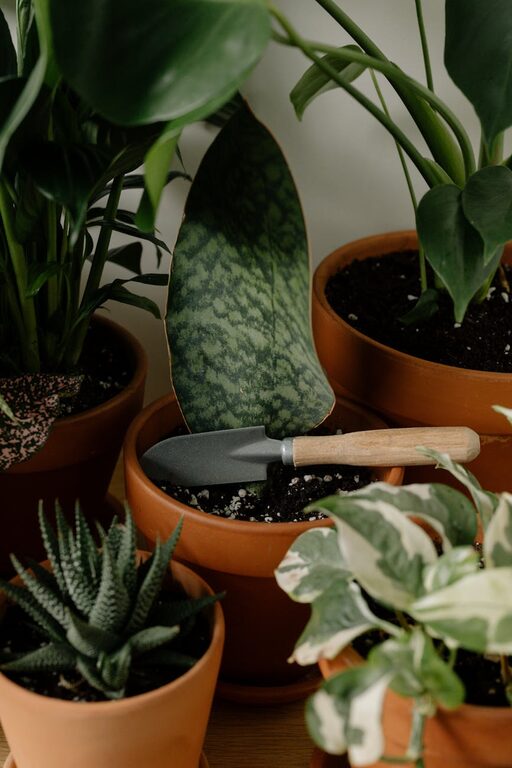
Bringing houseplants into your living space adds a touch of nature and fresh air to your home. Whether you have a few succulents on the windowsill or an extensive collection of tropical plants, understanding how to care for them is key to keeping them healthy and thriving. In this post, we’ll share essential tips and insights to help you become a confident indoor gardener.
Understanding Your Houseplants’ Needs
Every plant species has its own preferences for light, water, humidity, and soil. Taking time to learn about your plants will make a big difference in their health.
Light Requirements
Most houseplants fall into three main light categories:
– Bright light: Near windows with direct sun rays, ideal for succulents and cacti.
– Indirect light: Rooms with filtered or diffused light, perfect for plants like pothos and snake plants.
– Low light: Farther from windows or shaded areas where plants like ZZ plants and ferns do well.
Make sure you place your plants according to their light needs to avoid stress or stunted growth.
Watering Wisely
Watering is one of the most common challenges. Overwatering and underwatering both cause problems like root rot or dry and brown leaves.
Tips for Proper Watering
- **Check soil moisture:** Use your finger or a moisture meter to gauge how dry the soil is before watering.
- **Water deeply:** When you water, do so thoroughly until water drains from the bottom of the pot to encourage deep root growth.
- **Let soil dry out as needed:** Many plants prefer topsoil to dry partially before the next watering. Succulents and cacti need even less frequent watering.
- **Avoid standing water:** Empty saucers to prevent water from sitting and causing root problems.
Choosing the Right Pot and Soil
Proper drainage is crucial for root health.
– Use pots with drainage holes.
– Select a potting mix designed for your plant type — for example, a cactus mix for succulents or an all-purpose indoor plant mix for general use.
– Repot plants every couple of years or when roots outgrow their containers.
Maintaining Humidity and Temperature
Many houseplants thrive in moderate to high humidity, especially tropical species.
– Increase humidity by grouping plants together or using a humidifier.
– Mist leaves occasionally but avoid overdoing it to prevent fungal issues.
– Keep plants away from drafts, heaters, and air conditioners to maintain steady temperatures.
Feeding Your Plants Properly
Fertilizer provides essential nutrients that regular water and soil might not.
– Use a balanced, water-soluble fertilizer during the growing season (spring and summer).
– Follow package instructions carefully to prevent overfertilizing.
– Reduce or stop fertilizing in fall and winter when many plants slow growth.
Pruning and Cleaning Your Plants
Regular maintenance keeps plants healthy and looking their best.
– Remove dead or yellowing leaves to encourage new growth.
– Pinch back leggy stems to promote bushiness.
– Wipe leaves gently with a damp cloth to remove dust and allow better light absorption.
Watch Out for Pests and Diseases
Indoor plants can occasionally attract pests like spider mites, aphids, or fungus gnats.
– Inspect plants regularly for signs of insects or unusual spots.
– Use natural remedies such as neem oil or insecticidal soap if pests appear.
– Maintain good airflow around plants to reduce disease risks.
Create a Routine and Enjoy the Process
Caring for houseplants is easier when you create a simple routine — such as checking water needs every few days or rotating plants weekly for even light exposure.
Most importantly, enjoy the process of nurturing your green companions. Each plant is unique and rewarding in its own way, enhancing your home’s atmosphere and well-being.
—
By following these tips, you’ll foster a healthy environment for your houseplants that encourages growth and beauty throughout the year. Happy planting!