
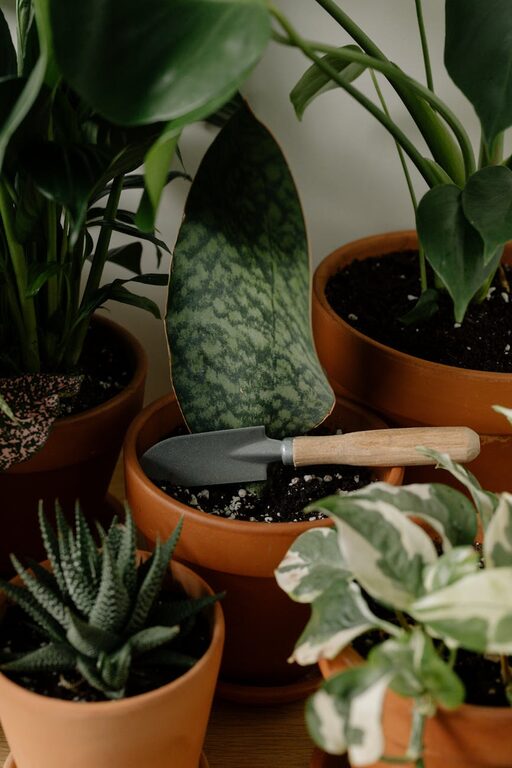
Bringing houseplants into your home not only enhances your living space but also promotes a calm and natural atmosphere. However, keeping these green companions healthy can sometimes feel challenging, especially if you’re new to plant care. With the right approach, though, maintaining thriving houseplants is easier than you might think. In this guide, we’ll share essential tips to help your indoor plants stay vibrant and healthy.
Understanding Your Plant’s Needs
Every plant species has unique requirements for light, water, soil, and humidity. Learning about your plant’s specific needs is the first step toward successful care.
Light Requirements
– Know your plant’s light preference: Some plants like bright, direct sunlight (e.g., succulents, cacti), while others thrive in low or indirect light (e.g., snake plants, pothos).
– Position appropriately: Place plants near windows or rooms that match their light needs. Rotate plants periodically to ensure even growth.
– Consider supplemental lighting: For rooms with limited natural light, grow lights can provide the necessary spectrum for healthy development.
Watering Wisely
– Understand watering frequency: Overwatering is a common mistake that can lead to root rot. Most plants prefer to dry out between watering.
– Check soil moisture: Use your finger or a moisture meter to check soil dampness before watering.
– Use the right water: Some plants benefit from filtered or distilled water, especially if your tap water is hard or chlorinated.
Choosing the Right Soil and Pots
Soil Matters
– Use proper potting mix: General-purpose potting soil works for many plants, but succulents and orchids often need specialized mixes.
– Ensure good drainage: Soil should allow excess water to drain away easily to avoid soggy roots.
Pot Selection
– Choose pots with drainage holes: Proper drainage prevents water accumulation.
– Consider pot size: Avoid pots that are too large or too small. A pot that’s slightly bigger than the root ball is ideal.
– Material impacts: Terra cotta pots dry out faster than plastic ones, which can influence watering frequency.
Pruning and Maintenance
Regular maintenance helps plants stay healthy and encourages new growth.
Pruning Tips
– Remove dead or yellow leaves: This prevents disease and redirects energy to healthy parts.
– Pinch back leggy growth: Promotes fuller, bushier plants.
– Be gentle: Use clean, sharp scissors or pruning shears.
Feeding Your Plants
– Use appropriate fertilizer: Feed your plants during their active growing seasons with balanced fertilizers.
– Follow instructions carefully: Over-fertilizing can harm plants.
Managing Common Issues
Dealing with Pests
– Keep an eye out: Look regularly for signs of pests like spider mites, aphids, or mealybugs.
– Natural remedies: Use insecticidal soap or neem oil for infestations.
– Isolation: Quarantine new or affected plants to prevent spread.
Preventing Diseases
– Avoid overwatering: Most fungal diseases thrive in wet conditions.
– Good airflow: Ensure plants have space and are not overcrowded.
– Clean tools and pots: Helps prevent contamination.
Optimizing Environment
Humidity and Temperature
– Know your plant’s preference: Tropical plants often need higher humidity.
– Increase humidity: Use pebble trays, mist plants, or invest in a humidifier if needed.
– Stable temperatures: Avoid cold drafts or sudden temperature changes.
Cleaning Your Plants
– Dust leaves regularly: Wipe with a damp cloth to help plants photosynthesize efficiently.
– Inspect leaves: Removes pests and improves appearance.
Tips for Beginners
– Start easy: Choose resilient plants like pothos, snake plants, or ZZ plants.
– Keep consistent routines: Water and light schedules help plants adapt.
– Observe and learn: Spend time noticing how your plants react to conditions.
Conclusion
With a bit of attention and care, your houseplants will flourish and brighten your home. Understanding their individual needs, watering carefully, pruning, managing pests, and creating the right environment are key steps toward long-lasting healthy plants. Remember, every plant is unique, so patience and observation are your best tools on this green journey. Happy planting!