
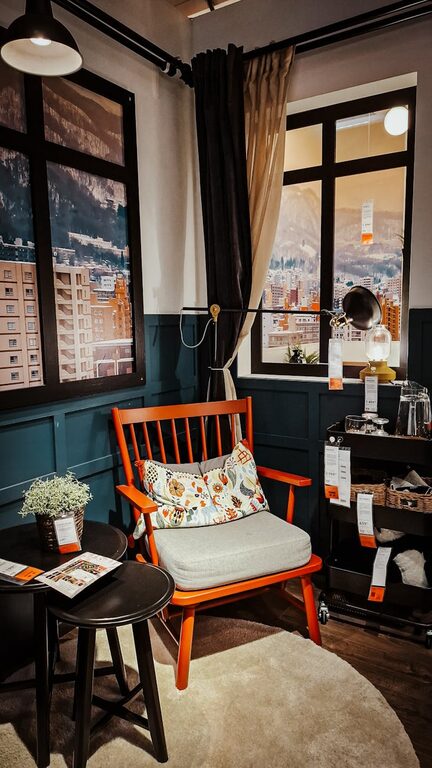
A dark room can sometimes feel cramped, dull, or uninviting, but there are plenty of easy and affordable ways to add light and life to your space. Whether you want to lift the mood, improve functionality, or simply make your room feel more spacious and cheerful, these quick ideas will help you brighten a dark room without needing a full renovation. Let’s explore practical tips and design tricks to illuminate your space naturally and stylishly.
Understand What Makes a Room Feel Dark
Before diving into solutions, it helps to identify why the room feels dark. Common reasons include:
– Limited natural light due to small or shaded windows
– Dark wall colors or flooring that absorb light
– Heavy curtains or window treatments blocking daylight
– Lack of adequate artificial lighting
– Clutter or bulky furniture restricting light flow
By knowing these factors, you can target your efforts for the best results.
Maximize Natural Light
Natural light is the most flattering and energy-efficient way to brighten any room.
1. Choose Sheer or Light Curtains
Replace heavy drapes with sheer or translucent curtains that let sunlight filter in gently. Linen or voile fabrics work well, and light colors like white or cream reflect light instead of blocking it.
2. Use Mirrors Strategically
Mirrors bounce natural light around the room, making it feel larger and brighter. Position a large mirror opposite or near a window to amplify daylight. Consider grouping smaller mirrors for a decorative effect.
3. Keep Windows Clean and Unobstructed
It sounds simple, but clean windows let in more light. Trim any outdoor plants or trees that block windows. Avoid placing furniture directly in front of windows to prevent shadows.
Brighten Walls and Floors
Colors affect how light behaves in a room. Dark hues absorb light, while light tones reflect it.
4. Paint Walls in Light Colors
Soft whites, creams, pastels, or light gray make walls reflect more light. Even subtle tones such as pale blue or mint can freshen up the space without overwhelming.
5. Choose Reflective or Light Flooring
If you can change flooring, opt for light hardwood, pale tiles, or light-colored rugs. Reflective floor surfaces add to overall brightness.
6. Add Glossy Finishes and Metallic Accents
Glossy paint, lacquered furniture, or metallic decor add shimmer and reflect light. Consider brass fixtures or mirrored furniture pieces for a stylish glow.
Enhance Artificial Lighting
If natural light is limited, artificial lighting plays a vital role.
7. Layer Your Lighting
Use a mix of ambient, task, and accent lighting for balanced illumination. Examples include ceiling lights, floor lamps, table lamps, and wall sconces.
8. Choose Bright, Warm Bulbs
Select LED bulbs with high lumens (brightness) and a warm white color temperature (2700K–3000K) for cozy yet effective light.
9. Use Light Fixtures that Spread Light
Avoid narrow or directional light fixtures that concentrate light in one spot. Opt for fixtures with shades that diffuse light evenly.
Declutter and Use Smart Furniture
Clutter and heavy furniture can absorb or block light.
10. Keep Surfaces Clear
Minimize knick-knacks and bulky decor that create shadows and visual clutter.
11. Choose Low or Transparent Furniture
Furniture with slender legs or made of glass/acrylic won’t block light flow. Lighter-colored furniture also helps maintain brightness.
Add Reflective and Colorful Decor
Decor items can contribute to brightness while adding personality.
12. Incorporate Bright Textiles
Throw pillows, rugs, or curtains in bright colors or light patterns hint light and uplift mood.
13. Use Artwork with Light Tones
Choose artwork featuring light colors or metallic frames to enhance the airy feel.
14. Add Greenery
Plants bring life to any room. Place them near windows or under light sources, using light pots for extra reflectivity.
Final Tips
– Avoid dark ceilings—paint ceilings white or a bright color for an open feel.
– Consider skylights or solar tubes if remodeling.
– Keep doors open when possible to share light between rooms.
Conclusion
Brightening a dark room is simpler than you might think, with changes ranging from swapping curtains to adding mirrors or changing paint colors. These practical tips help make your room feel lighter, larger, and more welcoming. Experiment with combinations that suit your style and space, and enjoy your freshly brightened environment!