
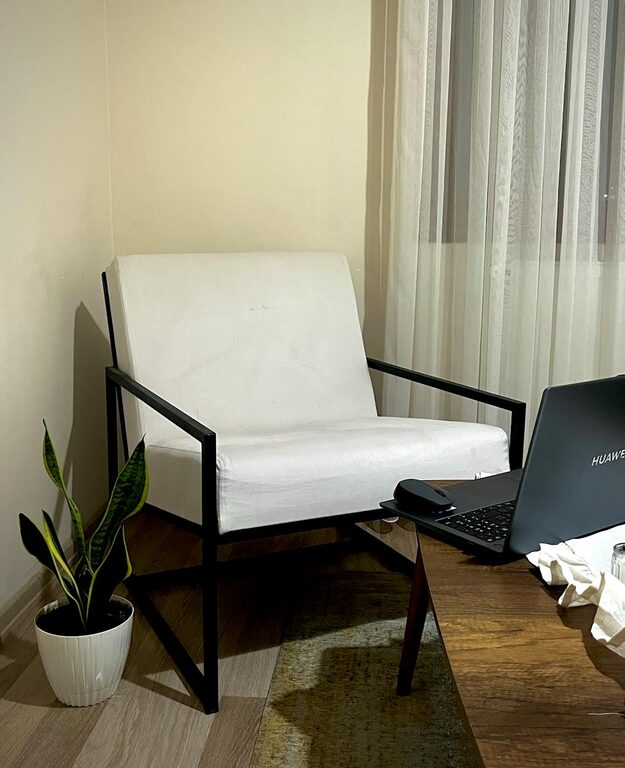
Creating a peaceful home environment is essential for relaxation, focus, and overall well-being. However, noise from both inside and outside the house can disrupt this calm. Whether it’s traffic sounds, noisy neighbors, or the hustle and bustle inside your home, finding simple ways to reduce noise can significantly improve your living space. In this post, we’ll explore practical, easy-to-implement strategies to help you achieve a quieter home.
Why Reducing Noise Matters
Excessive noise can lead to stress, difficulty concentrating, and trouble sleeping. By reducing noise, you create a tranquil atmosphere that supports better mental and physical health. Whether you’re working from home, meditating, or simply enjoying family time, a quieter space can enhance your experience.
Identify Noise Sources
Before you start, take a moment to identify the main sources of noise affecting your home. Common noise offenders include:
– Traffic and street noise
– Neighbors or shared walls
– Loud appliances or electronics
– Pets or children playing
– HVAC systems
Understanding where the noise comes from will help you apply the most effective solutions.
Simple Ways to Reduce Noise at Home
1. Use Soft Furnishings to Absorb Sound
Hard surfaces reflect sound waves, making spaces echo and feel louder. Adding soft materials helps absorb sound and reduce overall noise:
– Rugs and Carpets: Lay down rugs in living rooms and bedrooms to absorb footsteps and reduce echo.
– Curtains and Drapes: Heavy, thick curtains can help block sound from outside.
– Pillows and Upholstered Furniture: These items soften sound reflection inside rooms.
2. Seal Gaps and Cracks
Sound can easily enter through small gaps around doors and windows:
– Weatherstripping: Apply weatherstripping or draft stoppers to door edges.
– Window Seals: Use adhesive-backed foam strips or caulking to seal window gaps.
– Door Sweeps: Attach door sweeps at the bottom of doors to block sound leaks.
3. Arrange Furniture Strategically
Placing bulky furniture against walls where noise enters can create an additional sound barrier:
– A bookshelf filled with books against a noisy wall can dampen noise.
– Sofas and chairs placed away from noise sources help create quiet zones.
4. Use Sound Absorbing Panels or Wall Hangings
If noise remains a problem, consider installing sound-absorbing panels or decorative wall hangings:
– Acoustic panels can be purchased or DIY-ed using materials like foam or fabric-wrapped boards.
– Tapestries or quilts hung on walls also help absorb sound.
5. Choose Quieter Appliances and Electronics
Some household devices produce constant background noise:
– Replace noisy appliances with quieter models when possible.
– Use white noise machines or fans to mask sudden disruptive sounds.
6. Implement Noise-Reducing Window Treatments
Windows are often a major source of outside noise. Upgrading or enhancing your window treatments can help:
– Double-glazed windows provide better sound insulation.
– Window inserts or acoustical blinds also contribute to noise reduction.
7. Establish Quiet Zones
Designate certain areas in your home for quiet activities:
– Create a reading nook or meditation corner away from noisy spots.
– Use rugs, cushions, and soft lighting to make these zones inviting and calm.
8. Maintain Your HVAC System
Heating, ventilation, and air conditioning systems can hum or buzz loudly:
– Regular maintenance ensures they run quietly and efficiently.
– Add soundproof covers around noisy units if needed.
9. Soundproof Doors and Walls (Advanced)
For those wanting more substantial noise control, consider:
– Installing solid-core doors instead of hollow-core.
– Adding mass-loaded vinyl or additional drywall layers to walls.
These options may require professional help but can dramatically reduce noise.
Quick Daily Habits for Noise Reduction
– Close doors and windows to block external noise.
– Limit loud activities during early mornings and late evenings.
– Use headphones if you listen to music or watch TV loudly.
Final Thoughts
Reducing noise at home doesn’t have to be complicated or expensive. Often, small changes like adding rugs, sealing gaps, and rearranging furniture can make a big difference. By identifying noise sources and applying these simple strategies, you can create a serene space that promotes comfort and peace.
Try these tips, and enjoy the benefits of a quieter, more relaxing home!
—
If you found these tips helpful, consider sharing this post with friends or bookmarking it for future reference. Enjoy your calm and quiet home!